Ethically Raised Livestock for Meat Production
Responsible Beef and Goat Farming Rooted in Integrity, Tradition, and Community
Executive Perspective
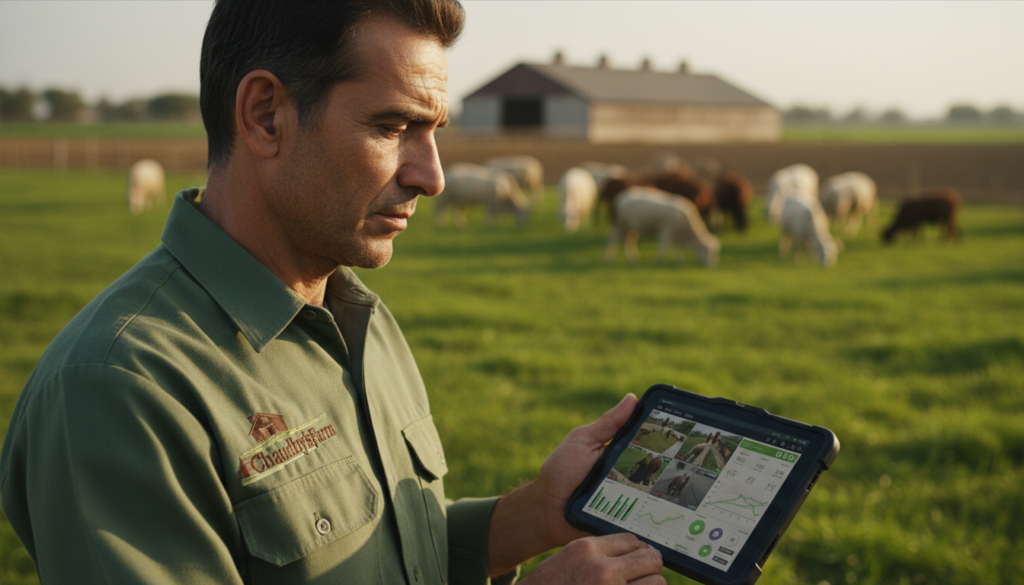
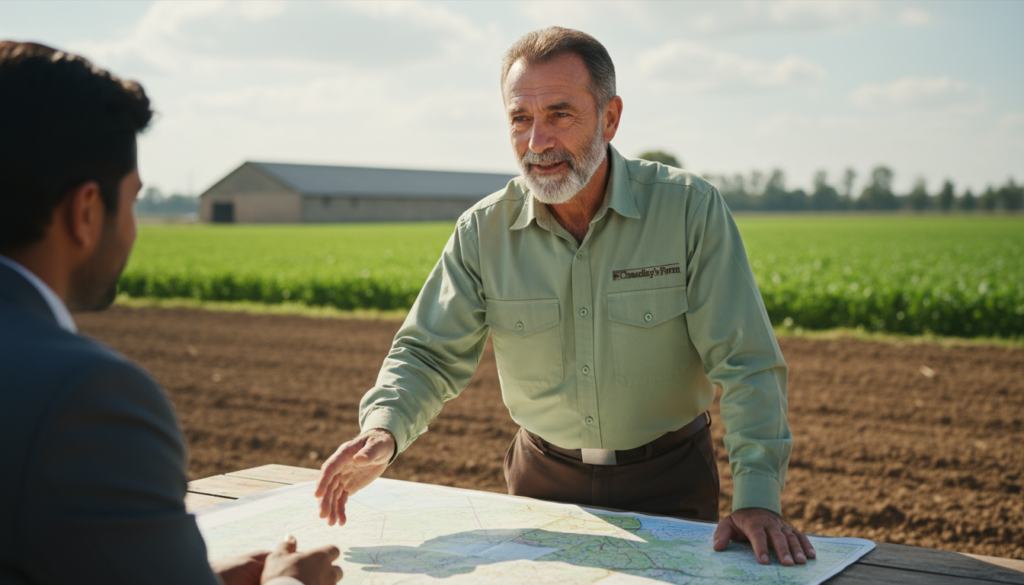
At Chaudhry’s Farm, meat production represents a continuation of our disciplined, systems-based agricultural philosophy. We raise both cattle and goats within a structured internal breeding and monitoring framework, ensuring that most animals are born, nurtured, and matured within our own controlled environment. Every stage of development—from early nutrition and vaccination to growth progression and market readiness—is monitored with responsibility and integrity.
Raising Livestock Within a Closed, Traceable System
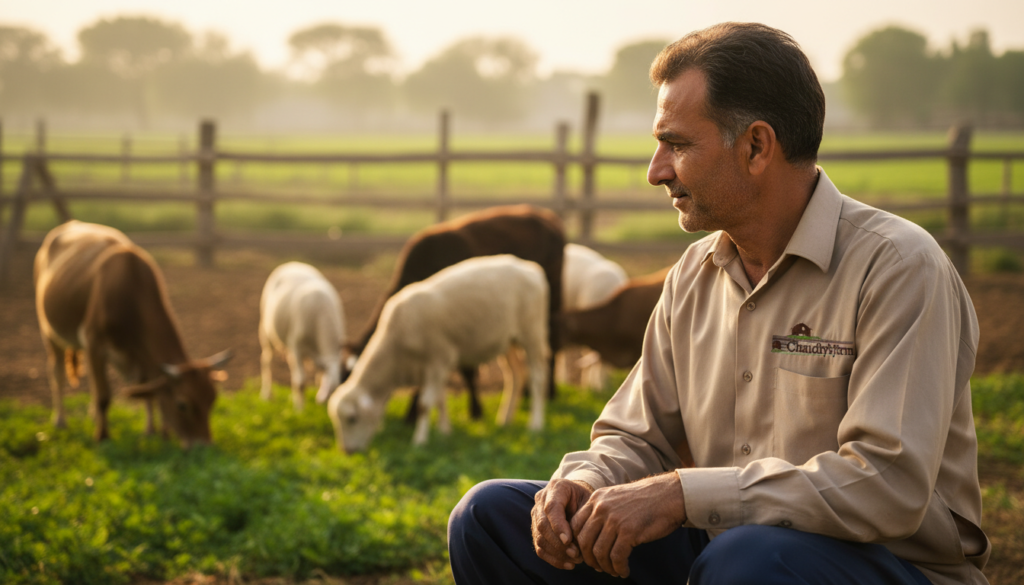
Unlike fragmented livestock supply chains, our farm prioritizes internal herd development. Calves and goat kids are often born within our own system, allowing us to maintain genetic continuity and full visibility over their upbringing. From early life nutrition to health monitoring and growth evaluation, traceability strengthens buyer confidence and reinforces ethical standards.
Nutrition, Welfare, and Ethical Growth
Healthy meat begins with humane livestock care. Balanced fodder programs, responsible supplementation, species-appropriate diets, clean water access, and structured health monitoring ensure steady development rather than accelerated growth. Ethical meat production is defined throughout the life of the animal, not merely at the point of sale.
Two Species, One Standard of Responsibility
Cattle and goats serve different market and cultural roles within Punjab, yet both are managed under identical ethical principles. Species-specific biological needs are respected, while internal breeding continuity, nutrition discipline, and transparent oversight remain constant across herds.
Serving the Local Market with Accountability
Local buyers rely on trust. By maintaining structured livestock development systems, Chaudhry’s Farm ensures that meat production reflects documented care, responsible feeding practices, and consistent health protocols. Quality becomes a measurable outcome rather than a marketing claim.
Eid ul Adha & Responsible Qurbani
Eid ul Adha represents spiritual reflection and charitable responsibility. Livestock prepared for Qurbani are raised under disciplined, year-round standards. Health eligibility, nutritional maturity, and humane conditions are carefully maintained. For overseas Pakistanis fulfilling Qurbani in their home villages, structured livestock oversight offers transparency and reassurance.
Community Distribution & Social Impact
Beyond the act of sacrifice, responsible Qurbani includes thoughtful distribution. Coordinated livestock management enables meat to reach deserving families within local communities, transforming religious devotion into tangible social benefit.
Diaspora Engagement Through Structured Transparency
Distance should not weaken responsibility. Through internal breeding continuity, documented herd oversight, and disciplined farm systems, diaspora families can participate confidently. Ethical livestock production becomes a transparent connection between global Pakistanis and rural Punjab.
Meat Production Within a Broader Agricultural Philosophy
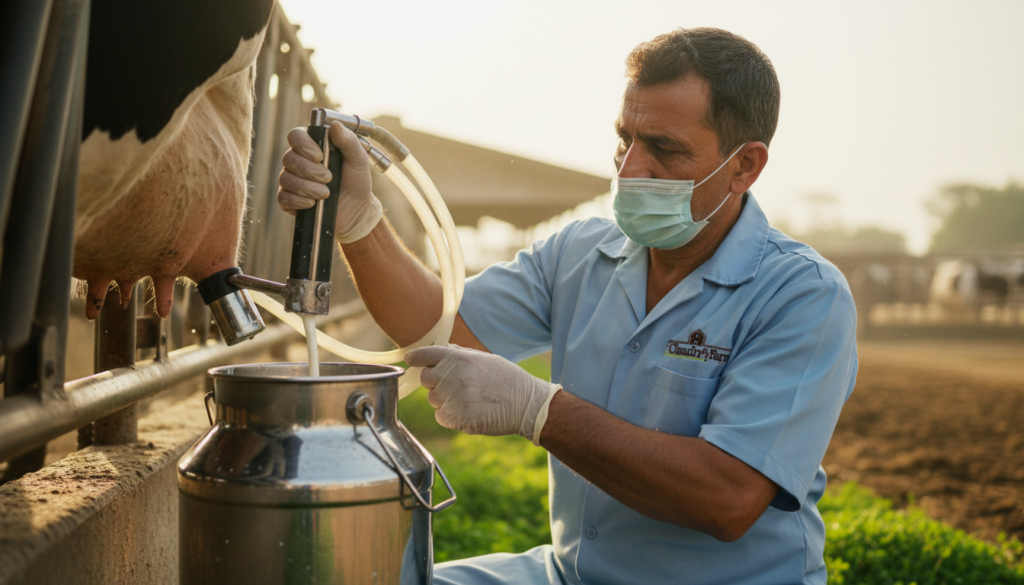
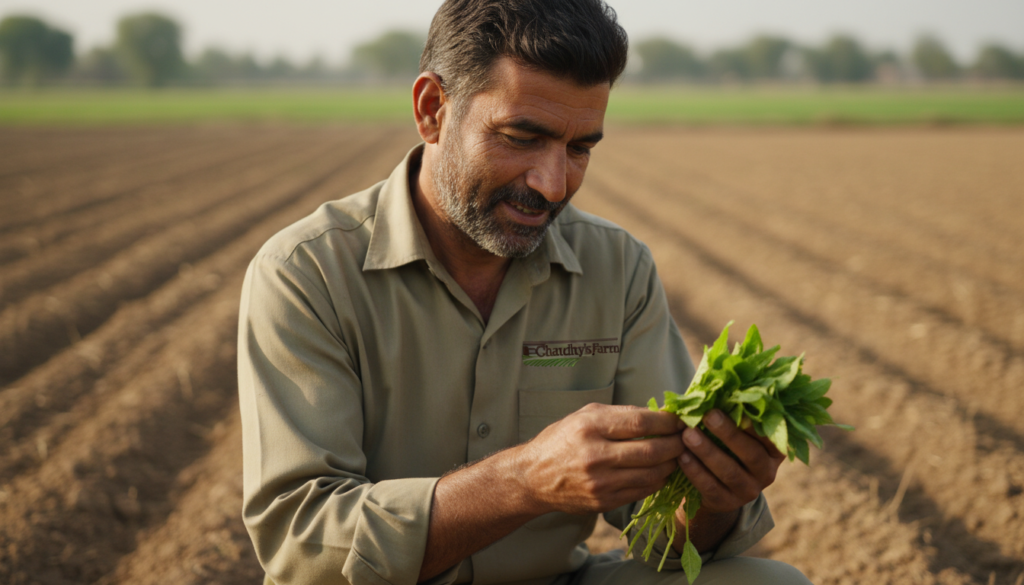
Beef and goat farming at Chaudhry’s Farm reflects the same integrated framework guiding dairy and workforce systems. Structured monitoring, species-specific nutrition, hygiene discipline, and trained personnel ensure sustainability beyond seasonal demand.
Looking Forward
As consumer awareness and demand for traceable meat increase, farms that prioritize welfare, internal continuity, and structured accountability will define the future of livestock production in Pakistan. Ethical farming remains continuous, not seasonal.